Ticketless parking and sustainability: reducing environmental impact
Sustainable parking means more than adding EV chargers or saving energy. It also means looking at paper use, equipment and daily processes.
Ticketless systems replace physical entrance tickets with digital identification methods, such as number plate recognition or QR codes.
This can reduce paper consumption, simplify operations and lower maintenance associated with ticket printing.
Digital tools still have an environmental impact. This guide looks at the benefits and limits of ticketless parking and how to measure results.
What is a ticketless car park and how does it work?
A ticketless car park manages entry and exit without issuing a physical ticket to identify each parking stay.
Instead, access is recorded using digital identifiers associated with a vehicle or user.
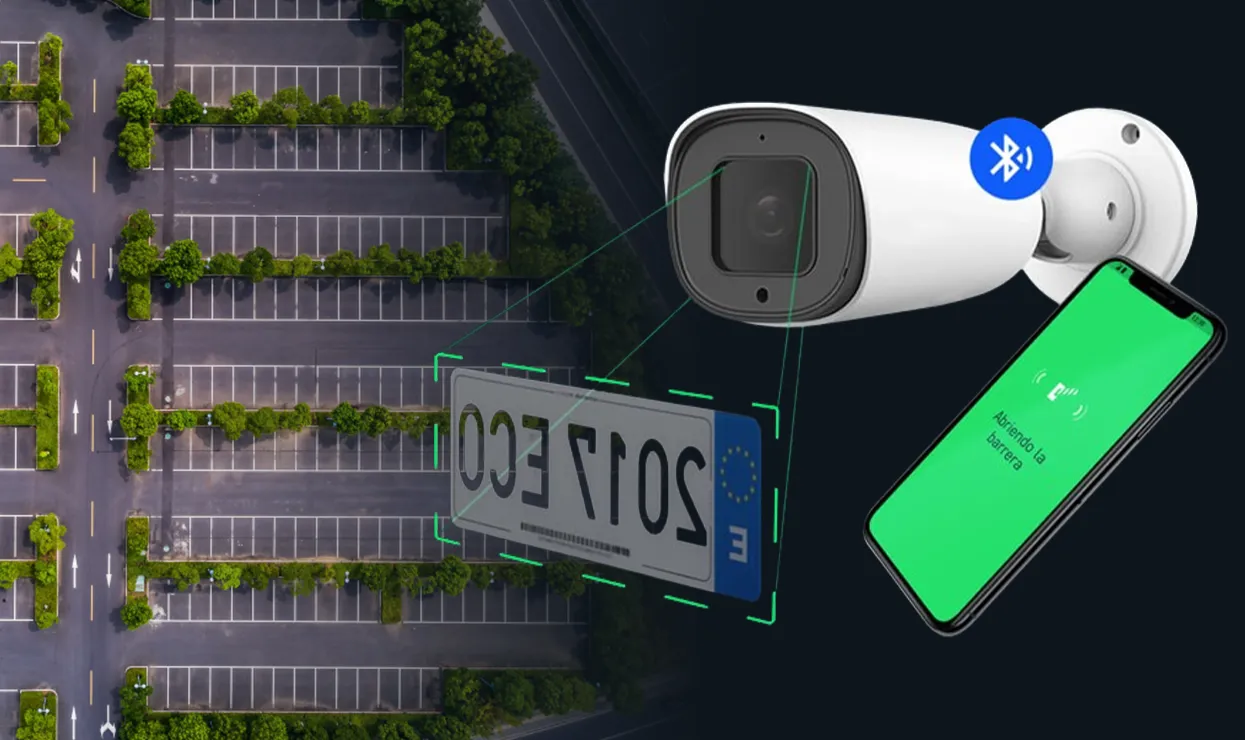
One common method is automatic number plate recognition (LPR).
As a vehicle arrives, a camera reads its registration plate and software records the entry. The information can then be used to retrieve the stay, calculate the charge and check exit requirements.
Depending on the facility, digital QR codes, mobile apps or other credentials may also be supported.
The goal is to maintain control over every stay while relying less on physical media.
How do ticketless systems make parking more sustainable?
Ticketless parking can support sustainability by using fewer materials and simplifying daily tasks.
Less paper consumption and waste
In a traditional short-stay car park, drivers normally receive a printed ticket on entry.
Over a year, this can result in considerable paper consumption and disposal.
With ticketless parking, the stay is recorded digitally and there is no need to print an entrance ticket.
This can reduce:
- Paper roll consumption.
- Waste from used tickets.
- Consumable replacement and storage.
- Paper supply and replenishment operations.
Actual savings depend on traffic and whether other documents, such as receipts, continue to be printed.
Less reliance on printing equipment
Eliminating entrance tickets can also reduce maintenance relating to printers, cutting mechanisms and ticket dispensers.
This is particularly relevant at high-turnover sites with many daily transactions.
Nevertheless, ticketless systems still require electronic devices, communications and technical maintenance.
Reducing mechanical components should not be confused with eliminating all maintenance needs.
Faster access and shorter waiting times
With traditional systems, drivers stop, request or collect a ticket and continue once entry is authorised.
Number plate recognition can make this process less dependent on physical interaction.
When correctly designed, automation can improve entry and exit flow, particularly at busy times.
This may reduce the time vehicles spend idling in queues.
However, any associated reduction in emissions must be validated with real data, since it depends on existing queues, access times and driver behaviour.
Combining ticketless parking with digital payments
Eliminating entrance tickets is only one part of parking digitalisation.
Mobile payment can also simplify collection.
For example, when a stay is linked to a number plate, drivers can retrieve it on a compatible platform and pay by phone without a physical ticket.
This can reduce trips to payment machines and make departures easier.
At i+d3, solutions such as Pagaelparking support mobile payment for stays and connection with access control systems.
Explore the alternatives in our parking payment and collection solutions.
Removing entrance tickets does not necessarily remove the need to provide receipts or fiscal documents. Applicable legal requirements must still be met.
Is a ticketless car park always more sustainable?
Reducing paper provides an environmental benefit, but assessing overall sustainability also requires examining the resources consumed by digital systems.
Ticketless setups may include number plate cameras, servers, communications equipment and management platforms.
These devices require materials for manufacture and energy for operation.
When comparing parking models, consider:
| Aspect | What to evaluate |
|---|---|
| Paper use | Tickets and other printed documents before and after implementation |
| Equipment | Devices required and opportunities to reuse existing hardware |
| Electricity consumption | Energy used by control systems |
| Maintenance | Replacements, spare parts and interventions |
| Operations | Access times, incidents and vehicle movements |
| Service life | Durability and possibilities for repair or upgrades |
A car park can significantly reduce paper consumption without this proving an equivalent reduction in its carbon footprint.
To demonstrate a lower overall environmental impact, emissions associated with resources and equipment throughout their life cycles must be assessed.
How to measure the environmental benefits of ticketless parking
Compare relevant indicators before and after implementation.
1. Calculate how many paper tickets are avoided
One straightforward indicator is the number of tickets no longer printed.
Tickets avoided = tickets issued before − tickets issued after
Compare equivalent periods while accounting for changes in vehicle traffic.
For example, a car park that previously issued 150 entrance tickets per day and switches to completely ticketless entry could avoid about 54,750 tickets per year, assuming 365 operating days and consistent traffic.
This measures tickets avoided, not an automatic quantity of CO₂ saved.
2. Compare electricity consumption
Review the energy consumed by equipment before and after upgrading.
Adding cameras, controllers or digital services can change electricity demand.
Include both newly installed devices and equipment that is no longer used when assessing the energy impact.
3. Analyse maintenance and consumables
Track paper replenishment, printer failures, maintenance trips and replacement components.
These indicators reveal whether fewer resources are needed for normal operations.
A real example: ticketless parking at Baqueira Beret
Baqueira Beret is an example of i+d3 ticketless technology in use.
The car park uses number plate recognition to manage access and supports online bookings and payments.
Its operations do not require physical entrance tickets, using digital tools to manage parking stays.
The solution also includes rear number plate reading to address recognition difficulties when vehicles arrive covered in snow.
This illustrates how ticketless technology can reduce paper while addressing site-specific operational needs.
Explore the installation in our Baqueira Beret case study.
How to introduce ticketless technology gradually
Moving away from tickets does not always require immediate replacement of every device.
Depending on the facility, a hybrid system can combine conventional methods with digital identifiers.
Before investing, examine:
- Transaction volume: daily vehicles and printed tickets.
- Existing equipment: condition and integration capabilities.
- Access methods: number plate recognition, QR codes or other credentials.
- Payment channels: machines, staffed collection and mobile payment.
- Incident management: alternatives for recognition or connection failures.
Data protection obligations must also be considered when plates can be linked to identifiable individuals.
The aim is to reduce consumables while maintaining reliable, convenient access.
Frequently asked questions about ticketless parking and sustainability
How much paper can ticketless parking save?
It depends on previously issued tickets and any remaining printing processes. Compare paper use before and after implementation to estimate savings.
Does ticketless parking reduce CO₂ emissions?
It may reduce resource use and, at some sites, waiting times. Quantifying avoided emissions requires an assessment of energy consumption, equipment and other operating factors.
Can ticketless facilities still issue receipts?
Yes. Eliminating entrance tickets does not prevent providing receipts or fiscal documents as required by law and supported by available channels.
Are number plate cameras necessary?
Not always. Ticketless systems can use different digital identification methods, although number plate recognition is a common approach to automated vehicle identification.
Can ticketless and traditional systems be combined?
Yes. Hybrid configurations can accommodate paper tickets, number plates, QR codes and other identifiers according to facility needs.
Towards parking with fewer consumables and more efficient management
Ticketless technology enables operations with less reliance on paper and printing mechanisms.
Its contribution to sustainability is particularly valuable when combined with decisions that optimise equipment lifespan, energy use and operating processes.
At i+d3, we develop parking access control solutions combining traditional, ticketless or hybrid systems according to facility requirements.
Want to reduce consumables and digitalise parking access? Contact our team to discuss technology suited to your infrastructure and sustainability goals.