How technology improves the urban parking experience
Technology is changing how people park in cities. Drivers can now check parking conditions before they arrive. Some car parks also offer number plate entry, phone payments and remote support.
But more technology does not always make parking easier. It must respond to drivers' needs and work reliably at every step.
This guide explains how digital technology can improve urban parking, from finding a space to leaving. It also compares street parking with car parks.
How has the urban parking experience changed?
In the past, drivers often searched for a space without any information. They then collected a ticket, found a payment machine and kept the ticket until exit.
In regulated street parking, customers often needed to visit a meter to start or extend a stay.
Digital tools offer alternatives.
Some car parks let drivers check prices and space availability, book ahead and enter in different ways. They may also offer phone payments.
The main change is not removing every physical process but making necessary tasks easier.
Services still depend on each installation's technology and operating rules.
Before arrival: information to choose parking
The customer journey begins before entering a car park.
Drivers new to an area need clear information about location, opening hours, prices and access.
Digital platforms can provide this information and sometimes advance reservations.
That helps visitors plan arrivals and understand terms.
However, viewing a facility's capacity does not necessarily guarantee a particular space.
Displayed availability must reflect actual occupancy rules and existing reservations.
Inaccurate information can be worse than none.
At arrival: simpler, clearer access
Entry is one of the most visible applications of parking technology.
Traditional systems use paper tickets. Digital options include number plate recognition and QR codes.
For example, a pre-authorised vehicle may enter automatically when its plate is recognised.
This removes some steps associated with ticket-only access.
Why clear instructions matter
Technology needs understandable signs and messages.
Drivers must know which lane to use, whether entry is authorised and what to do when something goes wrong.
Information screens, signs and assistance terminals can help.
Better entry needs more than cameras and barriers. Instructions must be clear for all users.
During the stay: finding a space inside the facility
Parking does not end when the barrier opens.
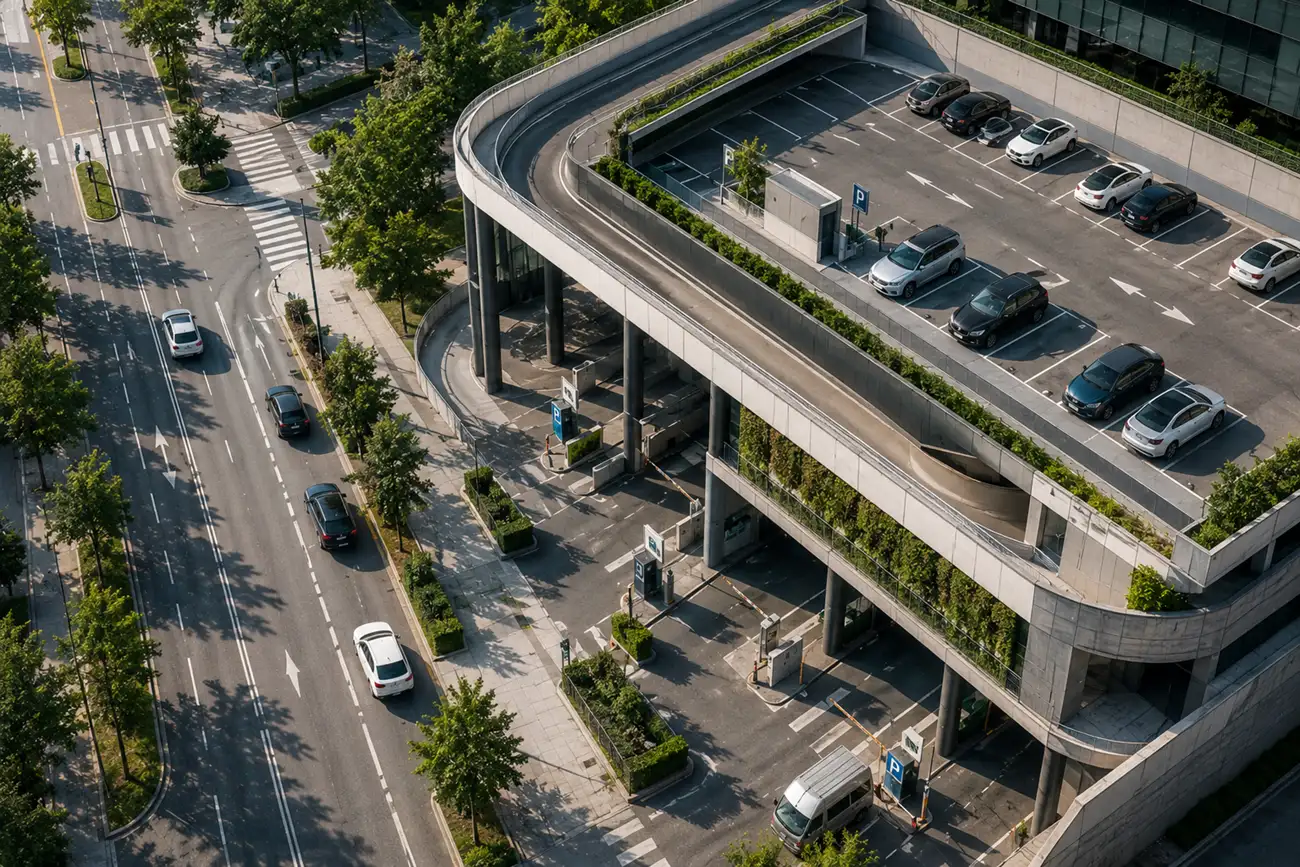
Large facilities may require drivers to search several floors.
Parking guidance systems use space information, lights and signs to help drivers find a space.
Usefulness depends on layout, reading accuracy and signage.
Zone-level displays can indicate a direction, while individual space sensors provide more detail.
Not every facility needs this technology.
Simple, compact car parks may only need clear conventional signage.
The aim is making space-finding straightforward for the particular site.
At payment: different channels for different users
Payment is another important stage.
Automatic machines remain useful for customers who pay cash or prefer physical terminals.
Digital services add alternatives.
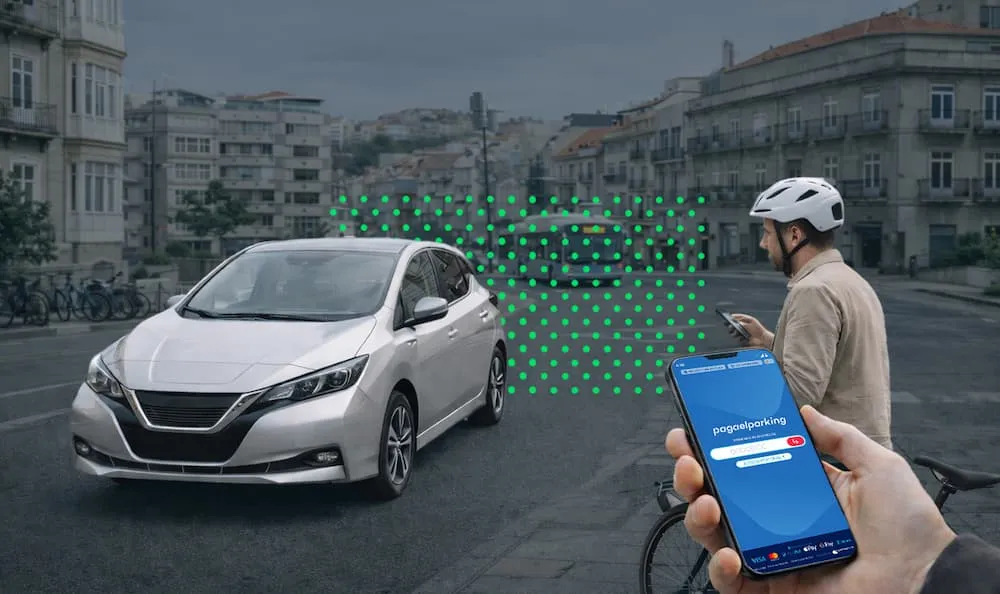
Pagaelparking, for example, enables mobile payment at compatible facilities without walking to a machine.
Multiple channels can accommodate different user needs.
However, mobile-only payments may exclude people without a smartphone, internet access or a suitable payment method.
Choose channels according to the customer base and operating conditions.
At exit: completing the stay smoothly
Departure should follow logically from the rest of the parking process.
Where plate recognition is installed, a system can identify vehicles and check exit requirements.
If payment or valid permission is recorded, departure may be authorised automatically.
Ticket and QR readers can remain as alternatives.
What matters is ensuring that correctly completed payments and authorisations reach the systems needed for exit.
If an incident occurs, procedures must allow verification and resolution.
Comparison: technology at each parking stage
| Stage | Driver's need | Technology | What must work |
|---|---|---|---|
| Before arrival | Know available options | Online information and bookings | Prices, hours and availability |
| Entry | Enter without confusion | Plate, ticket or QR | Identification and authorisation |
| Finding a space | Navigate the facility | Signs and guidance | Occupancy data and directional accuracy |
| Payment | Pay for the stay | Pay station or mobile | Correct amount and confirmation |
| Exit | Complete the stay | Automatic or credential validation | Payment and permission status |
| Incidents | Get assistance | Intercom and support | Communications and response procedures |
Good experiences come from useful, reliable processes rather than installing every available tool.
What changes with on-street parking?
Regulated street parking differs from an off-street car park.
There are usually no barriers or physical entry and exit transactions.
Drivers need to understand zone rules and, when required, start or end a parking session, pay or manage authorisation.
Apps and digital platforms can provide alternatives to visiting a parking meter.
3ParkOnStreet, i+d3's regulated parking solution, supports digital tools for managing parking conditions.
Depending on the deployed service, drivers may use an app while authorities and operators monitor activity and permissions.
Technology must follow each zone's hours, time limits, exemptions and user rules.
Urban car parks and street parking: different experiences
At an off-street car park, technology may support the whole journey from entry to exit.
For regulated street parking, the emphasis is often on knowing zone conditions and managing permitted time.
These mobility services do not need identical technology and present different customer difficulties.
Driver assistance is part of digitalisation
Not every transaction works as expected.
Misread plates, payment difficulties and authorisation problems can occur.
Service quality then depends on access to help.
Intercoms and remote customer support can connect users with assistance where the facility provides it.
These channels are particularly valuable at unattended sites.
Automating processes does not remove responsibility for resolving exceptional situations.
How to provide an accessible parking experience
Digital convenience is not equally accessible to everyone.
Some people may struggle with apps, small screens, online payments or complex instructions.
Review:
- Clear instructions where drivers need them.
- Suitable alternatives when digital operations cannot be completed.
- Accessible terminals and information channels.
- Prices and terms available before purchase.
- Understandable ways to request help.
- Incident resolution without relying exclusively on an app.
A good parking experience is not necessarily the one with the most technology, but the one that lets people complete operations simply, safely and clearly.
How to measure whether technology improves the experience
Identify driver difficulties before and after introducing changes.
Useful measures include entry processing times, payment incidents, assistance requests and transactions that cannot be completed.
If customers keep asking the same questions, the instructions may need to be clearer.
Where guidance is installed, ease of finding spaces may also be measured using suitable methods.
Focus on outcomes.
For instance, mobile payments do not automatically prove shorter exit times. That requires evidence.
Frequently asked questions about urban parking technology
How does technology help drivers find parking?
It can provide location, prices, opening hours and availability information, and advance bookings where offered.
Is a mobile app compulsory for smart parking?
Not necessarily. Many facilities combine apps with tickets, payment machines and other credentials.
What is the difference between digital and ticketless parking?
Digital parking can include online bookings and payments. Ticketless systems identify stays without relying on paper entrance tickets.
Does technology eliminate parking queues?
Not necessarily. Delays also depend on lane capacity, demand, manoeuvres and incidents.
How do customers obtain help at automated car parks?
Depending on the facility, intercoms, remote assistance and staff may be available. These channels need procedures for likely incidents.
Technology for an easier parking experience
Urban parking technology can simplify everyday activities: choosing a car park, entering, finding a space, paying and exiting.
Each is an opportunity to help drivers when the solution meets real needs.
i+d3 develops on-street and off-street parking technology, combining access, payment and management systems with digital services.
Explore our smart city parking solutions for different facilities.
Want to improve the experience at your car park? Contact our team about your requirements.