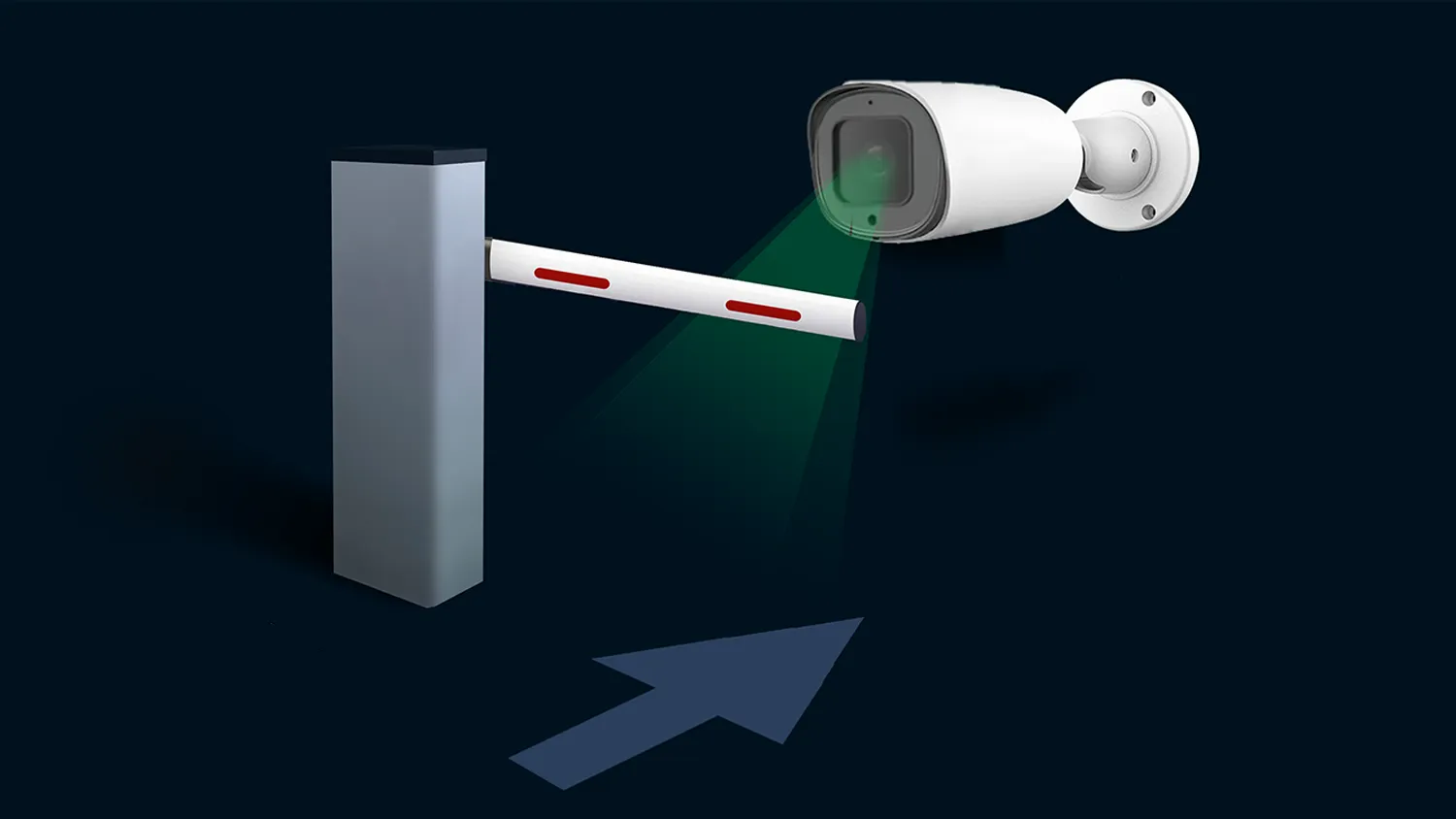
Number plate recognition cameras for parking: buying guide
Number plate recognition cameras for car parks automatically identify vehicles entering and leaving a facility. This technology supports access control, recording parking stays and integration with management and payment systems.
A camera alone cannot guarantee reliable access. Results depend on lighting, where it is installed, lane layout and its connection to parking software.
Here is how ANPR and LPR cameras work, their benefits and what to check before installing them.
What are number plate recognition cameras and how do they work?
These cameras capture vehicle images and use recognition technology to identify the characters on registration plates.
Two common abbreviations are:
- LPR (Licence Plate Recognition): number plate recognition.
- ANPR (Automatic Number Plate Recognition): automatic number plate recognition.
Both terms generally refer to the same technology in parking applications.
How number plate recognition works step by step
The typical access control process is:
- Vehicle detection: the system detects a vehicle in the lane.
- Image capture: the camera photographs its number plate.
- Recognition: software processes the image and extracts the characters.
- Validation: the system checks authorisation or creates a parking stay.
- Action and recording: it may open the barrier and log the event, depending on configuration.
At the exit, the plate can be recognised again to identify the stay and check whether exit requirements, including payment where applicable, have been met.
When the equipment and software work together, these systems automate access and reduce the need for paper tickets.
What benefits do LPR cameras provide?
The principal advantage is a way to use a vehicle's number plate as an identifier within the management system.
Faster, more convenient access
When a plate is authorised, the driver can enter without presenting a card or ticket.
This is useful for subscribers, staff and drivers with bookings. The system recognises their vehicles and checks access rights.
Better entry and exit traceability
Number plate recognition associates an identified access with a vehicle, date and time.
Records help review movements, investigate incidents and verify parking stays.
However, an LPR camera does not replace CCTV and cannot guarantee theft prevention.
Integration with payments and reservations
Number plates can link vehicles with reservations, subscriptions or short-stay parking sessions.
For instance, a customer who has booked a space can enter when the system identifies their vehicle and confirms an active reservation.
At compatible sites, drivers can also pay by entering their plate number instead of inserting a paper ticket.
What to consider before installing number plate recognition cameras
Choosing the right camera matters, but performance also depends on access lane design.
Assess the following factors.
1. Placement, distance and viewing angle
The camera should be positioned to capture registration plates clearly.
Consider its distance from the lane, viewing angle, installation height and vehicle path.
Narrow entrances, steep ramps or two-way lanes may need special arrangements.
Reading range also varies by model. Check the manufacturer's stated recognition distance and installation requirements.
2. Lighting and image quality
Car park entrances and exits can have very different lighting conditions.
For example, an underground entrance may change abruptly from direct sunlight to artificial lighting.
Purpose-built ANPR cameras include technologies such as infrared (IR) lighting and exposure compensation to capture useful images in these environments.
Even so, strong sunlight, reflections, dirt and damaged plates can interfere with recognition.
3. Vehicle speed and lane characteristics
Vehicle speed and position relative to the camera affect image capture.
Fast-moving traffic or multi-lane access may require specialised equipment and carefully planned placement.
Different vehicle types should also be considered, particularly motorcycles, heavy vehicles and foreign registration plates.
4. Integration with access control systems
The camera identifies the plate, but full operation depends on connected software and devices.
The management system can connect recognition with:
- Automatic barriers and lane controllers.
- Subscribers and authorised vehicle records.
- Online reservations and temporary permissions.
- Parking stay and payment records.
- Remote supervision and customer assistance.
Before installing cameras, confirm compatibility with existing machinery and software.
5. Alternatives when a plate cannot be read
Although ANPR cameras are designed for reliable recognition, no technology can identify every plate in every situation.
Dirty, obscured or damaged plates may cause errors.
Alternative identification methods such as QR codes, PINs, cards or intercom assistance should therefore be provided where appropriate.
These options prevent an isolated recognition issue from unnecessarily interrupting parking operations.
How LPR cameras are used in different car parks
Not every facility needs the same setup.
| Car park type | LPR camera application |
|---|---|
| Public short-stay car park | Recording stays and linking them to payments. |
| Subscriber car park | Identifying authorised vehicles. |
| Hotel car park | Access associated with guests or reservations. |
| Business parking | Employee access and temporary permits. |
| Residential garage | Controlling registered vehicles. |
| Motorhome stopover | Access linked to reservations or purchased periods. |
Some installations only need one camera per lane. Others may benefit from front and rear cameras to provide additional information for cross-checking readings.
The correct configuration depends on traffic, vehicle types and control requirements.
i+d3 ANPR cameras: technology integrated with parking systems
At i+d3 we develop number plate recognition solutions that integrate with parking access control equipment and management tools.
Our range of ANPR parking cameras includes compact devices with 2-megapixel Full HD sensors, infrared lighting and motorised lenses, depending on the model.
These features help adapt recognition to different installation conditions.
We also offer number plate readers integrated into bollards, combining LPR recognition and lane signalling in one access point.
Choosing between a separate camera and an integrated device depends on available space, existing equipment and project needs.
What about number plate data protection?
Registration plates may be personal data when they directly or indirectly identify an individual.
Parking recognition systems must therefore comply with applicable data protection obligations.
Define the purpose and lawful basis for processing, inform users and restrict record access to authorised personnel.
Appropriate retention periods and security safeguards are also required.
Choose number plate recognition suited to your car park
Number plate cameras automate vehicle identification and connect access events with management processes.
Reliable operation still requires suitable equipment, careful placement and compatibility with the wider installation.
At i+d3, we design parking access control solutions combining LPR, barriers, digital credentials and management software for different types of facilities.
Considering LPR cameras or modernising your entrances? Contact our team to discuss the configuration best suited to your facility.